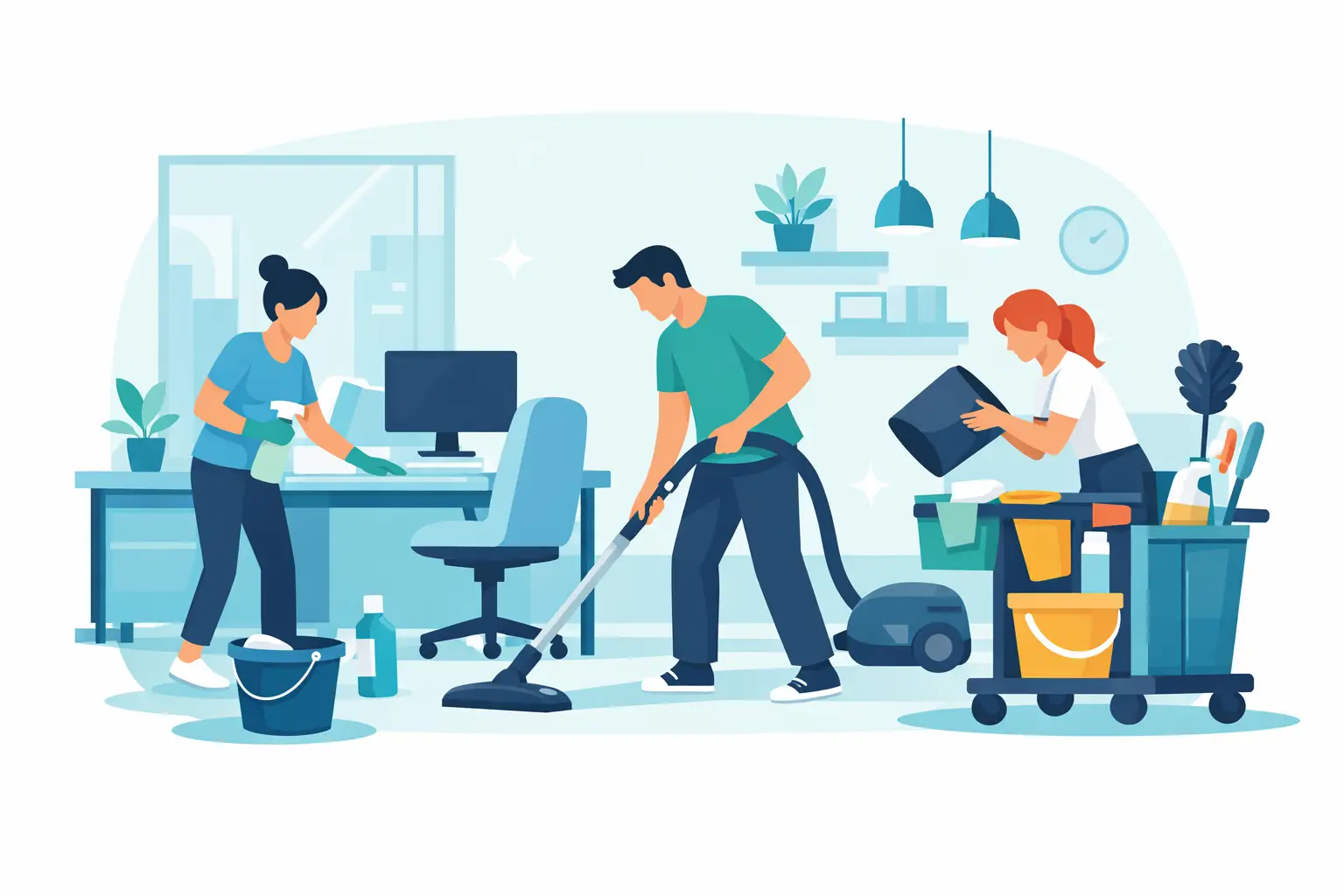
A small office can look untidy faster than most teams expect. A few coffee cups in the sink, a full trash can, fingerprints on the front door, and a neglected restroom can change how employees and visitors feel about the space. Reliable office cleaning for small teams keeps those details from becoming another task on someone’s already-full schedule.
For offices in Johns Creek and across the Atlanta area, the right cleaning plan does not have to be complicated. It simply needs to match how your team works, how often people are in the office, and the areas that see the most use.
What Small Teams Need From Office Cleaning
A five-person office does not need the same cleaning schedule as a busy corporate floor. At the same time, a smaller team should not settle for a space that feels overlooked. Clients, delivery partners, and prospective employees notice the condition of an office quickly. Your team does too.
The goal is to create a workspace that feels clean, comfortable, and ready for work without paying for services you do not need. For many small offices, that means focusing on high-touch surfaces, restrooms, break areas, floors, trash removal, and the entryway.
A dependable cleaning service also gives office managers one less thing to coordinate. Rather than assigning cleaning duties to employees or hoping someone remembers to restock supplies, you have a clear routine and a team that knows what to handle.
Start With Your Office’s Actual Use
Before choosing a schedule, look at what happens in your space during a normal week. An office with six employees working onsite every day will need more attention than a hybrid team that uses the space twice a week. A customer-facing office may need extra care around its lobby and restroom, while a design studio may need more frequent dusting and floor care.
Think about three areas first: traffic, food, and visitors. More foot traffic means floors and entry glass get dirty sooner. Shared lunches and coffee stations create messes in break rooms. Regular visitors make presentation areas especially important.
It also helps to be honest about the jobs your team avoids. If nobody wants to clean the restroom, wipe down the microwave, or take out overflowing trash, those are clear signs that professional support can make the workday easier.
Weekly Cleaning Works Well for Many Offices
For a small team that works onsite most days, weekly service is often the sweet spot. It keeps the office looking cared for without overdoing the schedule. A standard weekly visit can cover vacuuming or mopping, dusting accessible surfaces, emptying trash, cleaning restrooms, wiping break room counters, and refreshing common areas.
Weekly cleaning is especially helpful for offices that welcome clients. When your front entry, conference table, and restroom stay consistently clean, you are not rushing to fix the space before a meeting.
Biweekly Service Can Fit Hybrid Teams
If your office has low daily traffic or most employees work remotely, biweekly cleaning may be enough. This option can be a smart way to manage costs while still keeping shared areas in good shape.
The trade-off is that employees may need to handle simple day-to-day tidying between visits. A quick routine for washing dishes, clearing food from the refrigerator, and taking out trash when needed can help the office stay comfortable until the next professional cleaning.
Deep Cleaning Sets the Right Baseline
If it has been a while since the office received a thorough cleaning, start with a deep clean. Routine service is most effective when the space is already in good condition. Deep cleaning gives attention to buildup, corners, baseboards, detailed restroom cleaning, neglected surfaces, and areas that do not always get covered during regular upkeep.
This is also a good choice before reopening an office, moving into a new suite, hosting an important event, or preparing for a new employee’s first day. Once the space is refreshed, a recurring plan is easier to maintain.
A Practical Office Cleaning Checklist for Small Teams
The best cleaning checklist is not the longest one. It is the one that covers the areas people use and notice every day.
For most small offices, regular cleaning should include the following:
- Emptying trash and replacing liners in work areas, restrooms, and break rooms
- Vacuuming carpets and rugs, plus mopping hard floors where needed
- Cleaning and disinfecting restrooms, including toilets, sinks, mirrors, and touchpoints
- Wiping break room counters, tables, appliance exteriors, and sinks
- Dusting accessible desks, shelves, window ledges, and common-area surfaces
- Cleaning entry doors, lobby surfaces, conference rooms, and other client-facing areas
Some tasks may not be needed every visit. Interior windows, detailed baseboard cleaning, refrigerator cleaning, and high dusting may make more sense monthly or as part of a deep cleaning appointment. That is why a service plan should be adjusted to your space instead of treated as one-size-fits-all.
Keep High-Touch Areas a Priority
Even a tidy office can feel unclean when high-touch surfaces are ignored. Door handles, light switches, faucet handles, shared keyboards, refrigerator handles, coffee machine buttons, and conference room tables are used repeatedly throughout the day.
A professional cleaner can include these areas in the regular routine, but a simple habit between visits helps too. Keep disinfecting wipes or a suitable surface cleaner near shared equipment so employees can quickly address spills or messes as they happen.
The key is not asking employees to become the cleaning crew. It is giving them an easy way to take care of their immediate workspace while a dependable service handles the full office cleaning plan.
Choose a Cleaning Partner You Can Trust
When you bring a cleaning crew into your office, trust matters just as much as the visible results. Look for a company that is insured, communicates clearly, arrives on time, and makes it easy to schedule service around your business hours.
Clear expectations are helpful from the beginning. Share whether your team will be onsite during cleaning, which areas are off-limits, where supplies are stored, and whether there are building access instructions. A good provider will ask the right questions and help you set up a schedule that causes minimal interruption.
Price matters, but the lowest quote is not always the best value. An incomplete service can leave you paying again when restrooms, floors, or common areas do not receive the attention they need. Reliable cleaning should feel straightforward: a clear scope, fair pricing, respectful service, and a space that looks noticeably better after each visit.
For small commercial offices, Alejos Services brings the same care, friendly communication, and dependable scheduling that local customers expect from a family-owned cleaning company. You can choose recurring upkeep or a more detailed project clean based on what your office needs now.
Help Your Cleaning Service Do Its Best Work
A few small preparations can make each appointment more efficient. Encourage employees to clear personal items from desks if they want surfaces cleaned, secure confidential papers, and let the cleaning team know about any special materials or equipment that require care.
It is also useful to name one point of contact. This person can answer quick questions, communicate schedule changes, and provide feedback after service. You do not need a long management process. A short, clear line of communication usually keeps everything running smoothly.
If your office changes over time, revisit the plan. Adding employees, returning to full-time onsite work, moving to a larger suite, or hosting more client meetings may mean it is time to increase cleaning frequency. On the other hand, a quieter hybrid schedule may allow you to reduce visits without losing the clean, welcoming feel you want.
Give Your Team a Space They Want to Use
A clean office supports more than appearances. It helps people settle in, focus on work, and feel comfortable inviting clients through the door. For a small team, that consistency can make a real difference because every shared area gets used more often.
Choose a cleaning routine that fits your team’s schedule, start with a deep clean if the space needs a reset, and keep the plan simple enough to maintain. Your office should support the work you do, not add another chore to the week.