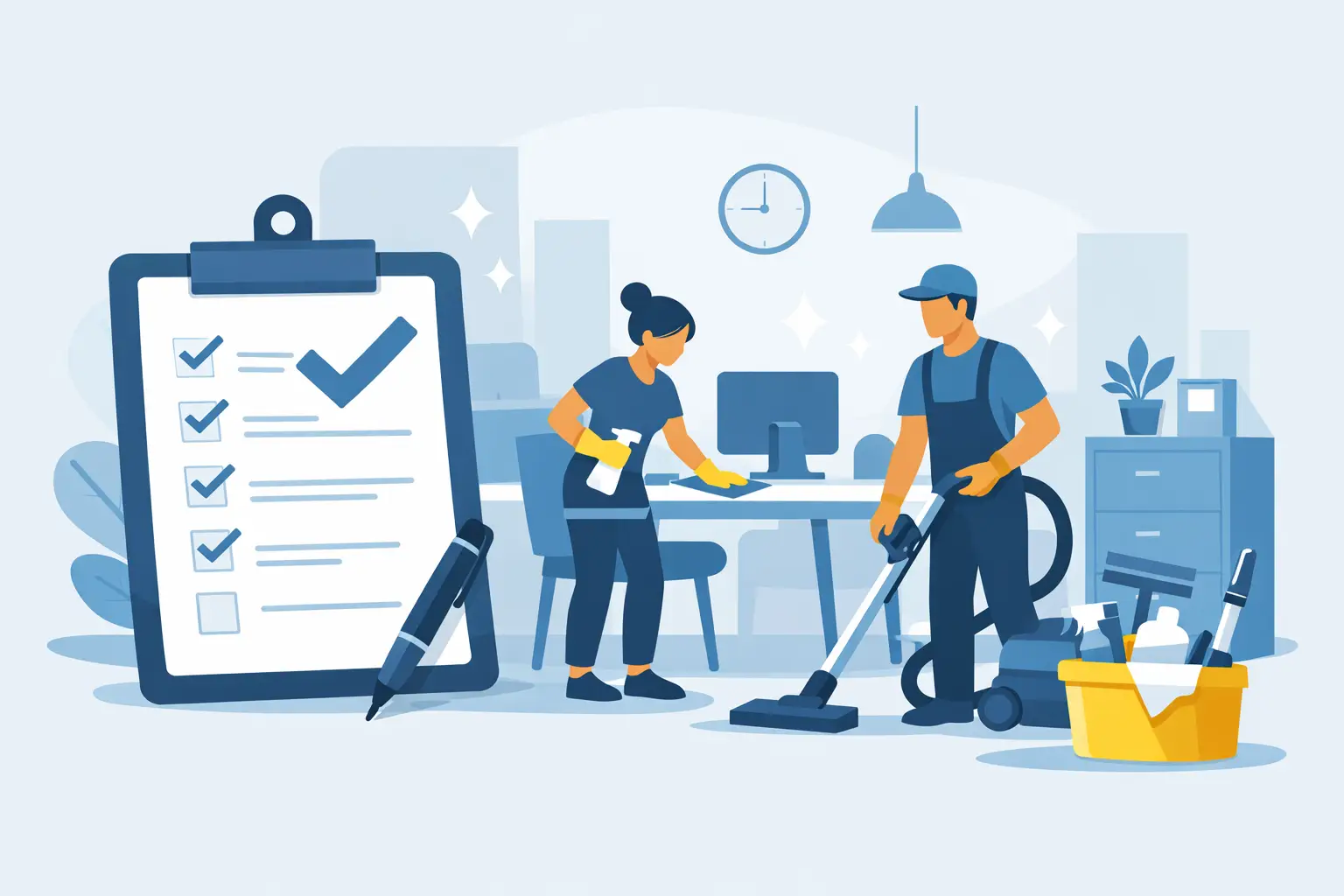
A clean office usually gets noticed right after it stops being clean. The trash is full by noon, fingerprints build up on the glass door, the break room sink starts looking questionable, and suddenly the whole space feels less professional. A practical small office cleaning checklist helps you stay ahead of that slide without overcomplicating the work.
For a small office, the goal is not perfection every hour of the day. It is consistency. When cleaning is handled on the right schedule, your team gets a workspace that feels better to walk into, clients get a stronger first impression, and small messes do not turn into bigger problems that take more time and money to fix.
Why a small office cleaning checklist matters
Small offices have a different rhythm than larger commercial spaces. You may have fewer employees, fewer rooms, and lighter daily traffic, but that does not mean cleaning can be handled casually. In fact, smaller spaces can look dirty faster because everything is more visible. One messy restroom, one dusty entry, or one cluttered kitchenette can affect the whole office.
A checklist keeps expectations clear. It helps office managers know what should be cleaned, how often it should be done, and where corners tend to get missed. It also makes it easier to decide what your team can handle in-house and what is better left to a professional cleaning service.
That trade-off matters. If employees are wiping counters and taking out light trash, that may be enough for day-to-day upkeep. But deeper cleaning, restroom sanitizing, floor care, and detailed dusting often get inconsistent when they are added to someone else’s already full workload.
Daily small office cleaning checklist
Daily cleaning should focus on the areas people touch and notice most. This is the work that keeps the office feeling fresh between more detailed cleanings.
Start with the entry and reception area. Glass doors should be wiped if they show fingerprints or smudges. Mats should be straightened and shaken out if needed. Any visible debris near the entrance should be swept or vacuumed so the first impression stays clean and welcoming.
Desks and workstations do not always need a full reset every day, especially if employees prefer to manage their own personal space. What does help is wiping shared desk surfaces, disinfecting common touchpoints like phones or keyboards if they are shared, and emptying trash cans before they overflow. If food is allowed at desks, spot cleaning becomes more important.
Shared areas need the most daily attention. Break room counters should be wiped, sinks rinsed and sanitized, and appliances checked for spills. Conference tables should be cleaned after use if meetings involve coffee, snacks, or client visits. Door handles, light switches, and other high-touch surfaces should be disinfected regularly, especially during cold and flu season.
Restrooms should never be left to chance. Toilets, sinks, faucet handles, mirrors, and counters should be cleaned daily in most offices. Supplies like soap, paper towels, and toilet paper should be restocked before they run low. Even in a small office with only a few employees, a restroom that looks neglected sends the wrong message fast.
Floors also need a daily look. Hard floors in entryways, kitchens, and restrooms often need sweeping and spot mopping. Carpeted areas may not need a full vacuum every day in every office, but visible dirt, crumbs, or tracked-in debris should be handled right away.
Weekly cleaning tasks for a small office
A strong small office cleaning checklist also includes weekly work that goes beyond surface upkeep. These tasks help maintain the office before buildup becomes obvious.
Dusting should happen more thoroughly once a week. That includes windowsills, baseboards, shelves, chair legs, and reachable ledges that collect dust quietly over time. Electronics should be dusted carefully, and monitor screens can be wiped with the right materials to avoid streaking or damage.
Furniture deserves weekly attention too. Upholstered chairs can hold crumbs and dust, and conference room seating often gets skipped during quick daily cleanups. Vacuuming fabric surfaces and wiping down hard chair arms and table bases helps the whole office look more cared for.
Break rooms and kitchenettes need more than a counter wipe. The outside of the refrigerator, microwave, and cabinets should be cleaned weekly. If the office refrigerator tends to collect forgotten lunches, this is also the time to clear old items and sanitize shelves if needed.
Restrooms benefit from a deeper weekly clean even if they are maintained daily. That means scrubbing around toilet bases, cleaning partitions, wiping vents, and addressing corners or grout lines that are easy to overlook during faster daily service.
A full vacuum of all carpeted areas and a more complete mop of hard floors should also be part of the weekly plan. If your office has a lot of foot traffic from clients, pets, deliveries, or outdoor movement, you may need this more often.
Monthly and seasonal cleaning priorities
Some cleaning tasks do not need to happen every week, but they should still be planned. Without a schedule, they tend to get pushed off until the office looks noticeably worn.
Interior windows and glass partitions should be cleaned regularly to remove smudges, dust, and haze. Air vents and return covers should be dusted. Baseboards, door frames, and trim can be wiped down monthly to keep detail areas from collecting grime.
Storage rooms and supply closets are worth checking once a month too. They are easy to ignore because clients do not see them, but clutter in those spaces makes the office harder to manage. A quick reset helps keep supplies organized and prevents cleaning tools from getting buried or neglected.
Depending on your office setup, deeper floor care may be needed seasonally. Carpets may need a professional deep clean, and hard floors may need more detailed treatment if they start looking dull. This is also a good time to clean behind furniture, under heavy desks where possible, and other low-visibility spots that still affect overall cleanliness.
What often gets missed
Even offices with a decent routine usually have a few blind spots. Light switches, door frames, chair backs, cabinet handles, and the area around trash cans are common examples. They do not stand out at first, but over time they make the office feel less polished.
Another missed area is odor control. Trash may be emptied, but liners, bins, sink drains, and break room appliances can still hold odors if they are not cleaned fully. A clean-looking office that smells off does not feel clean.
This is where checklists help most. They remove guesswork and make recurring problem spots easier to catch before they become complaints.
How to build a checklist that fits your office
Not every office needs the same schedule. A two-person workspace with no public traffic will have different needs than a busy office with clients coming in all day. The right checklist depends on your square footage, number of employees, floor type, restroom count, and how often shared areas are used.
If your team eats lunch in the office every day, your kitchen and trash routine should be tighter. If clients visit often, the front entry, lobby, and restroom should stay at the top of the list. If your office has mostly carpet, vacuuming may matter more than mopping. If it has hard surfaces throughout, dust and streaks may show faster.
The best checklist is realistic. If it is too ambitious, it gets ignored. If it is too light, the office slowly looks neglected. A balanced plan usually includes light daily upkeep, a dependable weekly clean, and a monthly deeper reset.
When it makes sense to bring in professionals
There is a point where handling office cleaning in-house stops being efficient. If employees are doing it inconsistently, if restrooms and floors never quite look finished, or if cleaning keeps getting pushed to the end of the day, outsourcing usually makes more sense.
Professional cleaning helps create consistency, which is what most office managers actually need. It saves staff time, keeps the workspace presentable, and reduces the stress of having to notice every detail yourself. For small offices, that kind of reliability often matters more than having a complicated cleaning plan on paper.
A local company like Alejos Services understands that small businesses need dependable service, clear scheduling, and work that fits the space instead of a one-size-fits-all approach. That matters when you want the office to stay clean without adding more to your plate.
If your office has been cleaned reactively instead of consistently, start simple. Use a small office cleaning checklist that covers the daily basics, adds weekly detail work, and leaves room for deeper cleaning when needed. A cleaner office is easier to maintain than rescue, and once the routine is in place, everyone feels the difference.
Interested in our services?