
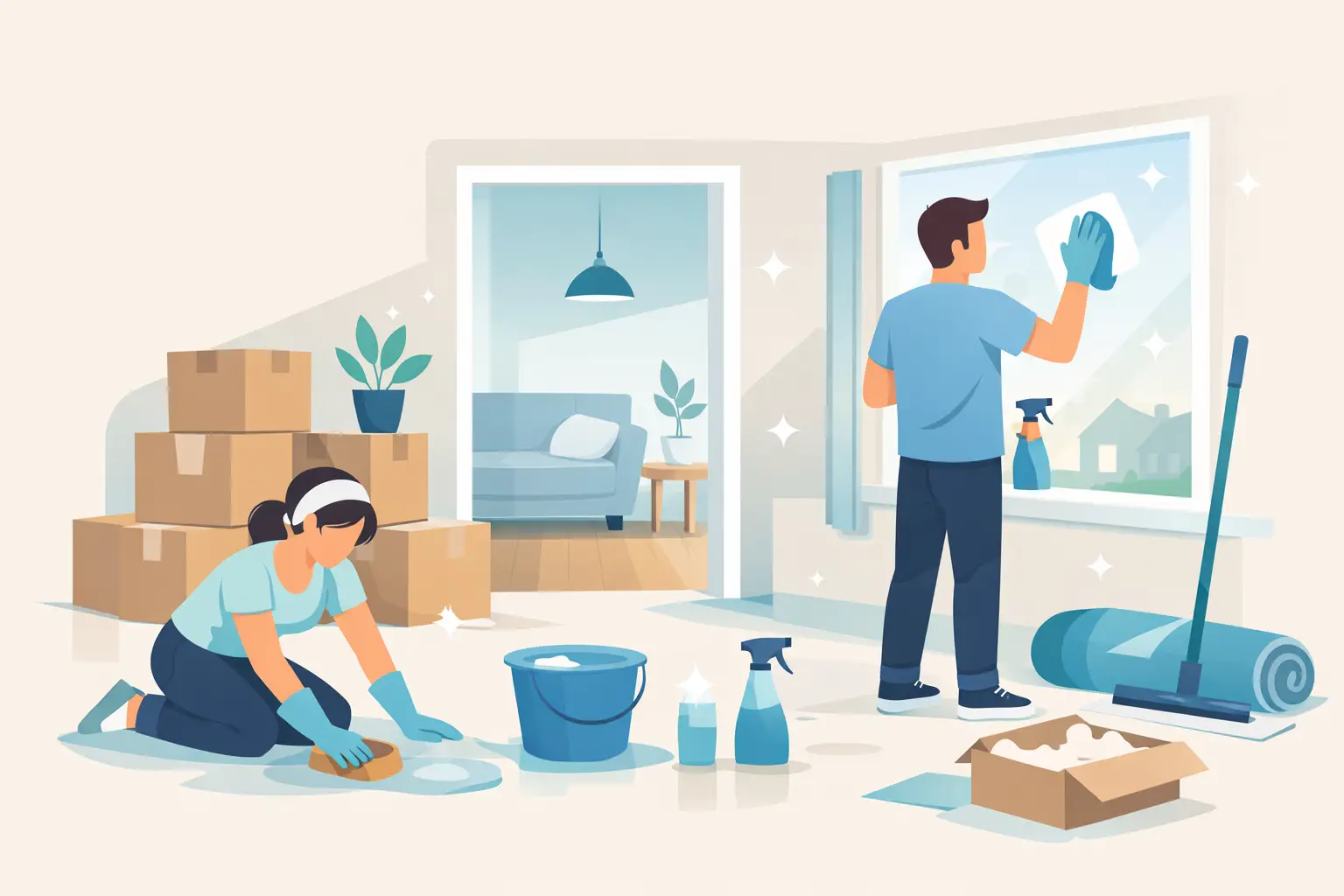
You get the keys, walk into your new place, and suddenly the excitement meets reality. Dust in the cabinets, fingerprints on the switches, grime in the fridge, and a bathroom you would rather not think about. A solid move in cleaning guide helps you start fresh before the boxes pile up and the job gets harder.
Cleaning before you unpack is one of the smartest moves you can make. Empty rooms are easier to clean well, and you only have to do the work once. It is also the best time to catch the details that often get missed, like baseboards, inside drawers, light fixtures, and the corners behind appliances.
If you are moving into a home or apartment in the Atlanta area, this is the moment to decide what you want to handle yourself and what is worth handing off. Some spaces need a quick reset. Others need a true top-to-bottom deep clean before they feel ready.
Why a move in cleaning guide matters
A new home can look clean at first glance and still hold a surprising amount of dirt. Previous occupants may have vacuumed and wiped down surfaces, but that does not always mean the space was sanitized or detailed. Kitchens, bathrooms, vents, blinds, and high-touch surfaces usually tell the real story.
That is why a move in cleaning guide is less about perfection and more about priorities. You want to clean the areas that affect comfort right away, especially the rooms you will use on day one. Think bathrooms, kitchen counters, sinks, floors, and sleeping areas.
There is also a practical reason to do this early. Once furniture is in place and cabinets are full, cleaning takes longer and becomes more frustrating. Starting with a clean space saves time later and makes settling in feel a lot easier.
What to clean before anything gets unpacked
Begin with the rooms that impact health, comfort, and daily routines. Bathrooms usually come first. Toilets, tubs, showers, sinks, mirrors, and faucet handles should all be cleaned and disinfected before anyone uses them. Even if the bathroom looks decent, this is not a step most people want to skip.
Next, focus on the kitchen. Wipe and sanitize countertops, cabinet fronts, shelves, drawer interiors, and the sink. If the refrigerator is staying, clean every shelf and bin before food goes inside. The oven and microwave may also need attention depending on what was left behind.
After that, move to floors and high-touch surfaces throughout the home. Vacuum and mop before rugs or furniture go down. Wipe doorknobs, light switches, stair rails, closet shelves, and window sills. These details do not take long, but they make the whole place feel cleaner.
Bedrooms matter too, especially if moving day is long and tiring. A quick wipe-down of closet rods, shelves, baseboards, and floors can make a big difference when it is time to put down bedding and call it a night.
The right order makes the job faster
A lot of people waste time cleaning in the wrong sequence. The easiest approach is top to bottom, dry to wet, room by room. Start with dusting ceiling fans, vents, shelves, and fixtures. Then wipe surfaces. Finish with the floors last so you are not re-cleaning after dust falls.
In bathrooms and kitchens, give products a little dwell time. Spray first, let the cleaner sit while you handle another task, then come back to scrub and wipe. That usually gets better results than spraying and immediately wiping.
Try not to bounce all over the house. Finish one room before starting another. It keeps the process organized and gives you a clear sense of progress, which matters on a stressful moving day.
Supplies that are actually worth having
You do not need a giant cleaning caddy packed with specialty products. For most move-in jobs, a few reliable basics are enough. Microfiber cloths, a vacuum, a mop, a scrub brush, gloves, an all-purpose cleaner, a disinfectant, glass cleaner, and a degreaser will handle most surfaces.
If the home has been empty for a while, you may also want a step stool for vents and high shelves, plus extra trash bags and paper towels. For tougher buildup, especially in kitchens and bathrooms, a non-scratch sponge can save a lot of effort.
What you use depends on the condition of the property. A newer apartment that was professionally turned over may only need light touch-ups. An older home, or one that was left in a rush, may need a much more detailed approach.
Where people usually underestimate the work
The big surfaces are easy to notice. The hidden areas are where move-in cleaning often gets underestimated. Inside cabinets and drawers can collect crumbs, dust, and sticky residue. Behind the toilet, around the base of the sink, and under appliance edges are easy to miss and not pleasant to discover later.
Another area people overlook is airflow. Return vents, vent covers, and ceiling fan blades can hold dust that spreads quickly once the system is running. You may not need full duct service, but surface-level cleaning in these spots helps right away.
Closets also deserve more attention than they usually get. Since they look empty, it is tempting to skip them. But wiping shelves and vacuuming corners before clothes and storage bins go in is a lot easier than doing it after everything is packed away.
DIY or professional cleaning? It depends
Some move-ins are very manageable on your own. If the property is in good shape, your timeline is flexible, and you only need a refresh, a few focused hours may be enough. This is especially true for smaller apartments or homes that were cleaned well before closing or turnover.
But there are times when professional help makes more sense. If you are moving with kids, juggling work, coordinating movers, or dealing with a property that needs real detail work, cleaning can quickly become the task that pushes everything over the edge. The same goes for larger homes, neglected kitchens, and bathrooms that need more than a quick wipe-down.
A professional move-in clean is not just about saving time. It also gives you confidence that the details were handled before your routine begins. For many families and busy renters, that peace of mind is worth it.
When to schedule move-in cleaning
The best time is after the previous occupant has fully moved out and before your furniture arrives. That open-window of time is ideal because cleaners can reach everything without working around boxes, mattresses, or sofa legs.
If your schedule is tight, aim to have bathrooms and the kitchen done first. Those rooms matter most in the first 24 hours. Floors and bedrooms can follow closely behind if needed.
If you are using a service, book as early as you can once you know your move date. In busy seasons, especially around the end of the month, appointment times can fill quickly. A company like Alejos Services can make that part easier with straightforward scheduling and clear pricing, which helps when the rest of your move already feels packed.
A simple room-by-room move in cleaning guide
In the kitchen, focus on food-contact and high-use surfaces first. Clean the sink, counters, cabinet interiors, refrigerator shelves, and appliance handles. Then check grease-prone spots like the stovetop, backsplash, and range hood area.
In the bathroom, clean and disinfect every fixture before you stock toiletries. Pay extra attention to the toilet base, shower corners, faucet handles, and mirror edges. If there is soap scum or hard water buildup, expect a little extra scrubbing.
In living areas and bedrooms, dust first and then clean the floors. Wipe window sills, trim, switches, and closet shelves. If the home has blinds, give them a quick dusting before they become background clutter you stop noticing.
For entryways, clean the floors and any spots that get touched often, like knobs, locks, and handrails. That first impression matters, even if only for your own peace of mind after a long day.
What not to stress about
Not every mark needs immediate attention. Minor wall scuffs, old carpet wear, or cosmetic issues may not be part of cleaning at all. It helps to separate true cleaning needs from maintenance items so you do not lose time trying to solve the wrong problem.
You also do not need to make the place look perfect before living in it. The goal is a clean, comfortable start. Once the essentials are handled, you can settle in and come back to smaller details as needed.
Moving has enough moving parts already. A good move in cleaning guide keeps you focused on what matters most, helps you avoid wasted effort, and makes your new place feel like home faster. If you can walk in, put your things down, and feel good about the space around you, you have done the important part right.