
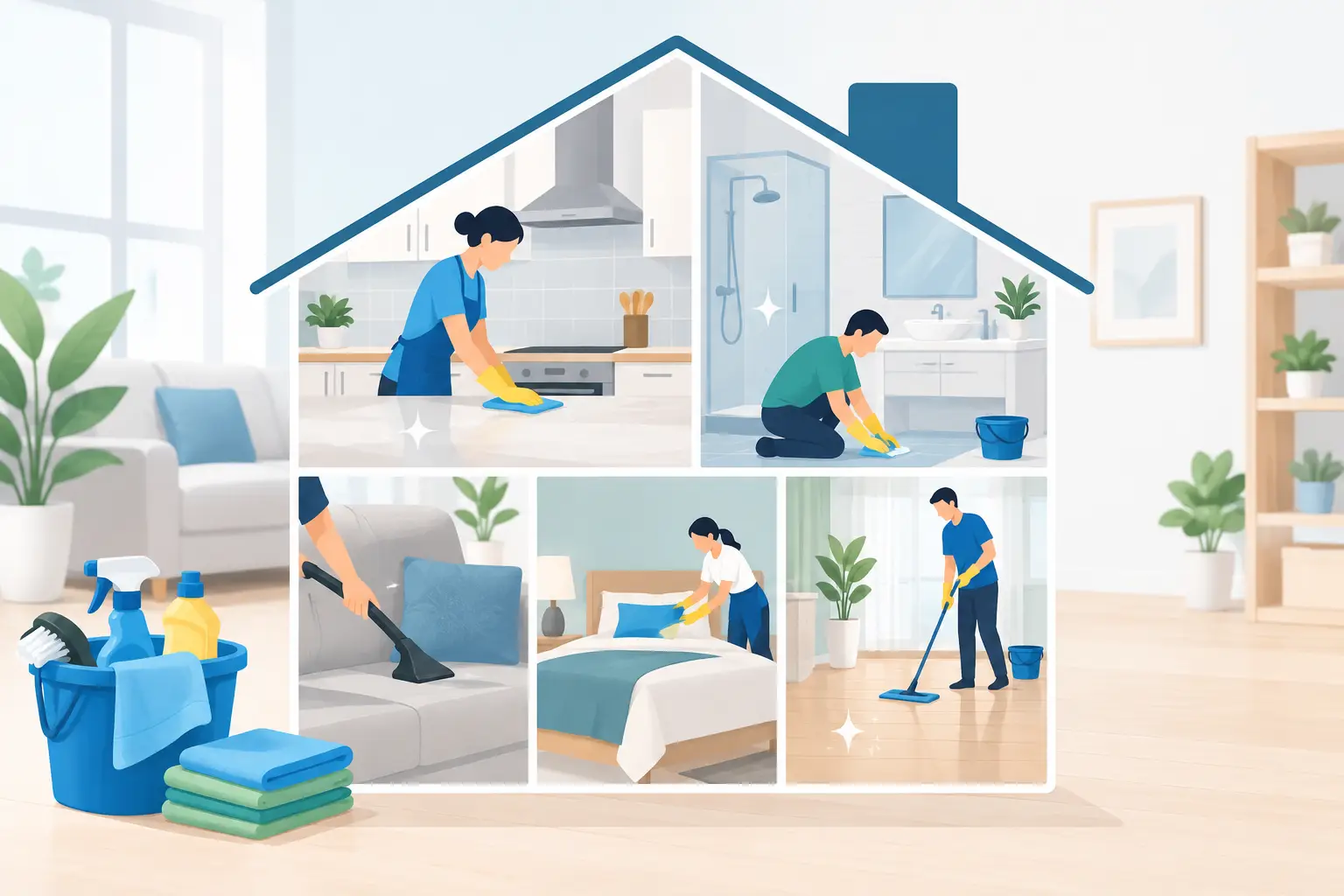
A home can look tidy at a glance and still need a serious reset. The counters may be clear, the floors may be vacuumed, and the beds may be made, but grease, dust, soap buildup, and everyday germs tend to collect in places routine cleaning does not always reach. Knowing the best areas for deep cleaning helps you focus your time where the difference will be most visible – and most valuable.
For busy households around Johns Creek and the Atlanta area, deep cleaning is often the practical answer before guests arrive, after a busy season, or when regular upkeep no longer feels like enough. It is detail work with a purpose: cleaner surfaces, fresher rooms, and less to think about once the job is done.
Start With the Best Areas for Deep Cleaning
Not every part of a home needs the same level of attention at the same time. A low-traffic guest room may be fine with a good dusting, while a family kitchen can quickly develop grease around appliances and crumbs in overlooked corners. Start with rooms that get the most use, hold the most moisture, or collect the most hands-on contact.
The Kitchen: Grease, Crumbs, and Hidden Buildup
The kitchen is usually the first place to prioritize. It works hard every day, and much of its mess is not obvious until you look closely. Cabinet fronts near handles, the backsplash behind the stove, the microwave interior, and the outside of the refrigerator all pick up splatters and fingerprints.
Deep cleaning a kitchen means moving beyond a quick wipe of the counters. Pay attention to the stovetop, burner grates, range hood, sink edges, and the area around small appliances. Pulling out movable appliances can reveal crumbs and dust that attract pests and create lingering odors. The floor edges under cabinets also deserve attention, especially in homes with children or pets.
Inside the refrigerator is worth addressing when spills, expired food, or odors begin to build up. This takes a little more time, so it may make sense to schedule it before a grocery trip rather than when the fridge is full.
Bathrooms: Moisture Needs Extra Care
Bathrooms are another high-priority space because warm, damp conditions encourage soap scum, mineral deposits, mildew, and bacteria. A standard clean keeps things presentable, but a deep clean focuses on the details that gradually become harder to remove.
Shower walls, tub edges, grout lines, faucet bases, and toilet exteriors should all be part of the plan. Look closely at the corners of the shower and around caulk lines, where residue can settle. Bathroom exhaust vents also collect dust, which can reduce airflow over time.
Do not overlook the area behind the toilet or the base where it meets the floor. These are awkward spots to reach during weekly cleaning, but they make a noticeable difference once thoroughly cleaned. Fresh towels and an empty trash can are nice finishing touches, but the real reset happens in the surfaces you do not always see first.
Floors, Baseboards, and Corners
Floors show daily life quickly, particularly in entryways, kitchens, hallways, and living rooms. Vacuuming and mopping are essential routine tasks, but deep cleaning gives attention to the edges, corners, and areas under furniture where dust and debris settle.
Baseboards are one of the clearest signs that a home needs more detailed care. They collect a surprising amount of dust, pet hair, and scuff marks. Cleaning them can make a room look brighter even if nothing else changes. Door frames, window sills, and blinds fall into the same category: easy to miss during a rushed clean, very satisfying once refreshed.
Carpeted homes may also benefit from a more thorough approach to high-traffic paths and under-furniture areas. If there are stains, persistent odors, or allergy concerns, the right method depends on the carpet material and the source of the issue. Not every situation calls for the same treatment, which is why a careful assessment matters.
High-Touch Spots That Need a Reset
Some of the most useful deep-cleaning tasks take only a few minutes but are often missed. These are the surfaces everyone touches without thinking about them: light switches, door handles, cabinet pulls, stair rails, appliance handles, and remote controls.
These touchpoints are especially worthwhile after someone in the household has been sick, before hosting visitors, or when children are home more often during school breaks. Cleaning them regularly supports a fresher-feeling home without turning every day into a full cleaning day.
Other small but meaningful areas include ceiling fan blades, air vents, lampshades, and the tops of doors and cabinets. You may not notice the dust until sunlight hits it or the fan starts moving. Taking care of these places helps the whole room feel cleaner, not just the surfaces at eye level.
Bedrooms and Living Areas Deserve More Than a Quick Tidy
Bedrooms may not collect kitchen grease or bathroom moisture, but they gather dust, fabric fibers, and pet hair. A deep clean is a good time to vacuum under beds, wipe nightstands and headboards, clean behind dressers where possible, and refresh overlooked window sills and blinds.
In living rooms, focus on the areas that support daily relaxation: upholstery, coffee tables, side tables, media consoles, and the space beneath couches. Cushions can hold crumbs and pet hair, while electronics and cords often become dust magnets. You do not need to reorganize every shelf to make a meaningful improvement. Start with the most-used spaces and work outward.
If anyone in the home deals with seasonal allergies, dusting from higher surfaces down to the floor can be particularly helpful. Cleaning ceiling fans and vents first prevents dust from settling onto freshly cleaned furniture and flooring.
Entryways, Laundry Rooms, and Other Often-Missed Spaces
Entryways bring the outdoors inside. Dirt, leaves, moisture, and shoe marks can build up around the front door, on mats, and along the baseboards. A deep clean here creates a better first impression and helps keep the rest of the home cleaner.
Laundry rooms also deserve a closer look. Lint, detergent drips, and dust commonly collect behind and beside machines. Cleaning the washer and dryer exteriors, wiping shelving, and sweeping around appliances can make this hardworking space feel much more organized. Be careful when moving heavy appliances or reaching near connections – safety comes first.
Home offices are another smart addition, especially for people working remotely. Desks, keyboards, chair bases, and nearby shelves gather dust quickly. A clean workspace can make the next workday feel more manageable, even when the to-do list is not.
When to Schedule a Whole-Home Deep Clean
A whole-home deep clean is a strong choice when you are preparing for a move, settling into a new place, hosting family, recovering from a hectic season, or starting recurring cleaning service. It establishes a clean baseline so routine visits can focus on keeping your home consistently comfortable.
The right timing depends on your household. Families with pets, young children, frequent visitors, or a lot of cooking may want detailed cleaning more often. A smaller household with less daily traffic may only need it seasonally. There is no one schedule that fits every home.
For many customers, professional help is less about not being able to clean and more about protecting their weekend. Alejos Services brings trained, insured cleaning support to the detailed tasks that are easy to postpone, with straightforward online booking and service built around your schedule.
A deep clean does not have to mean turning your entire week upside down. Start with the rooms that work hardest, give attention to the details that routine cleaning skips, and let a cleaner home give some time back to you.
Leave a Reply