
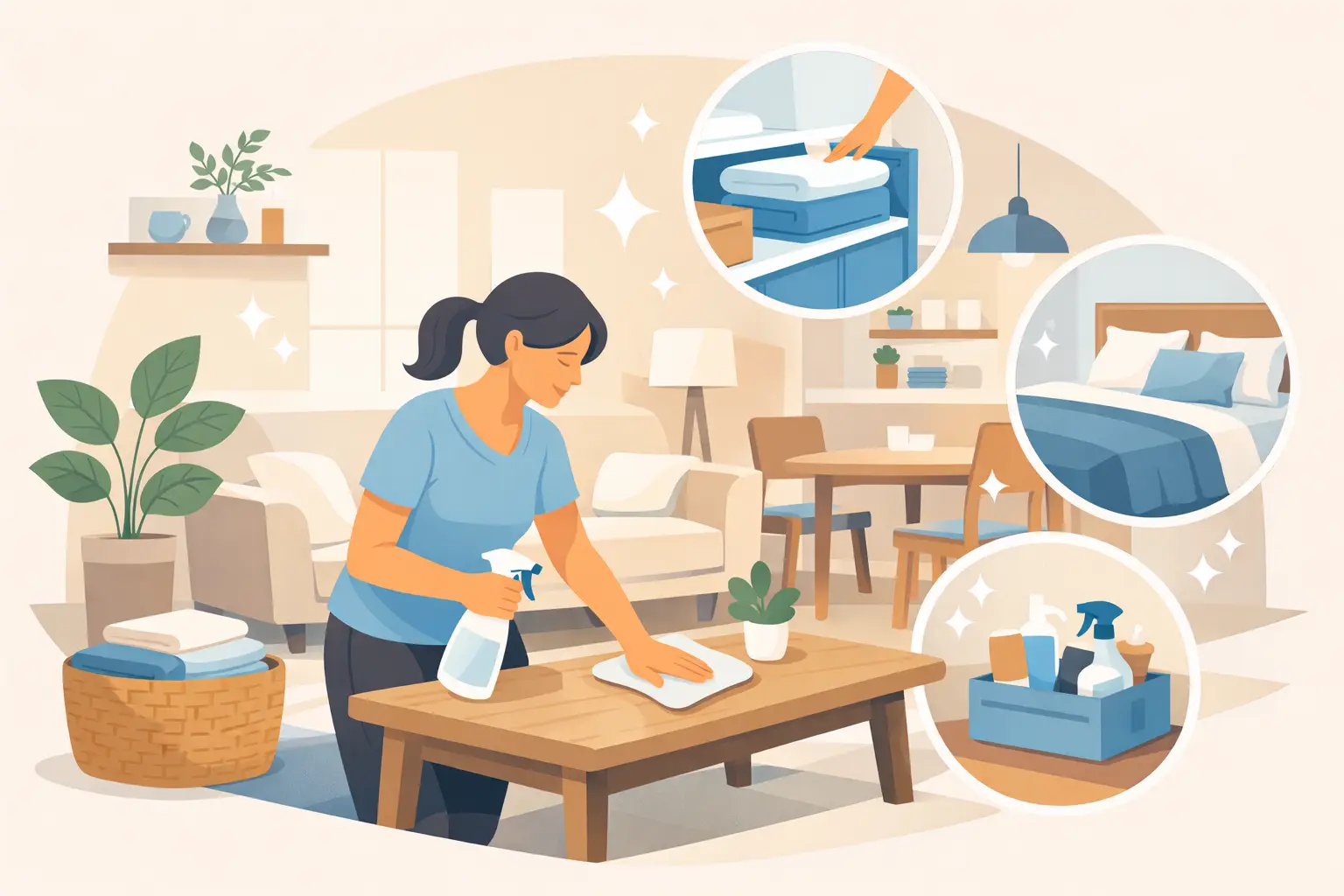
A home rarely gets messy all at once. It happens in small moments – shoes left by the door, dishes pushed to later, laundry waiting for a better day. That is why learning how to maintain a clean home is less about marathon cleaning sessions and more about keeping small tasks from turning into a full weekend project.
For most households, the goal is not perfection. It is walking into a space that feels calm, smells fresh, and does not add stress to the day. If you have a busy schedule, kids, pets, roommates, or just a lot going on, the best cleaning plan is the one you can actually stick with.
How to maintain a clean home without cleaning all day
The biggest mistake people make is treating cleaning like an occasional reset instead of an ongoing system. Deep cleans matter, but daily maintenance is what keeps your home from slipping out of control. A clean home usually comes down to rhythm, not effort.
Think in layers. Daily tasks keep surfaces and clutter in check. Weekly tasks handle buildup before it gets noticeable. Occasional deeper work takes care of the details that everyday routines miss. When those layers work together, cleaning feels manageable.
It also helps to stop aiming for every room at once. Focus on the areas that affect your day the most, especially the kitchen, bathrooms, floors, and entry points. When those spaces stay under control, the whole home feels cleaner, even if a guest room or storage closet is not perfect.
Start with a realistic daily reset
A daily reset is one of the simplest ways to keep your space looking cared for. This is not a full cleaning session. It is 10 to 20 minutes spent bringing the home back to baseline.
In most homes, that means clearing kitchen counters, loading or unloading the dishwasher, wiping down the bathroom sink, putting stray items back where they belong, and doing a quick floor check in the busiest rooms. If you do that each day, tomorrow starts easier.
The timing matters less than consistency. Some people prefer a morning reset before the day gets busy. Others do better with an evening reset so they can wake up to a clean kitchen and tidy living room. The right answer depends on your schedule, but the habit works best when it happens at the same time most days.
Build habits around the mess before it spreads
If you want to know how to maintain a clean home long term, pay attention to the moments that create the biggest messes. Those are the best places to change your routine.
For example, shoes at the door prevent dirt from moving through the house. Wiping counters right after cooking is easier than scrubbing dried spills later. Hanging towels to dry properly keeps bathrooms fresher. Sorting mail as it comes in prevents paper piles from taking over a counter.
These habits are small, but they save time because they reduce the need for catch-up cleaning. It is much easier to maintain a clean room than to rescue a messy one.
There is a trade-off here. Some households do well with strict systems, while others need something more flexible. If a color-coded chore chart works for your family, use it. If that feels like too much, stick to a few non-negotiables that make the biggest impact.
Keep cleaning supplies where you use them
One reason chores get delayed is that starting feels inconvenient. If the bathroom cleaner is in the laundry room and the microfiber cloths are in a kitchen drawer, even a simple wipe-down can turn into a hassle.
A better setup is to keep basic supplies close to the spaces where you use them. That might mean disinfecting wipes or a spray bottle under each bathroom sink, a small handheld vacuum nearby for high-traffic areas, and kitchen cleaning cloths within easy reach. When supplies are accessible, maintenance takes less effort.
You do not need a large collection of products, either. In many homes, a quality all-purpose cleaner, a glass cleaner, microfiber cloths, a vacuum, and a mop handle most routine needs. More products do not always mean a cleaner home. They often just create more clutter under the sink.
Give every item a home
A lot of what people call cleaning is really dealing with clutter. If items do not have a clear place to go, they tend to land on tables, countertops, stairs, and bedroom chairs.
That is why organization supports cleanliness. Baskets for toys, hooks for bags and jackets, drawer dividers for bathroom basics, and a small drop zone near the entry can make daily tidying much faster. You are not deciding where things belong every time. You are simply putting them back.
If your home still feels messy even after cleaning, clutter may be the issue. In that case, cleaning more is not the answer. Reducing excess and simplifying storage often helps more.
Use a weekly rhythm that fits your household
A weekly cleaning routine gives structure without making every day feel like chore day. Some households like assigning one task to each day, such as bathrooms on Tuesday and floors on Thursday. Others prefer doing a larger reset once or twice a week.
Either approach can work. The best option depends on your energy, your schedule, and how quickly your space gets dirty. Homes with pets or young children usually need more frequent floor and bathroom attention. Smaller apartments may need less time overall but can feel cluttered faster if things are left out.
What matters most is deciding in advance what gets done weekly. Bathrooms should be cleaned before buildup becomes obvious. Floors need regular vacuuming or mopping, especially in high-traffic areas. Bedding should be changed often enough to keep bedrooms feeling fresh. Kitchen surfaces, appliance fronts, and trash areas also need regular attention.
Without a weekly plan, it is easy to wait until everything feels overdue. That is when cleaning starts to feel exhausting.
Know when your home needs a deeper clean
Routine upkeep is essential, but it only goes so far. Baseboards, blinds, ceiling fans, under furniture, grout lines, and other overlooked areas collect dust and grime over time. Even well-maintained homes need occasional deep cleaning to stay truly fresh.
This is especially true during seasonal changes, before guests arrive, after a busy period, or when life has made regular cleaning harder to keep up with. A deep clean can reset the home and make everyday maintenance easier again.
The same goes for move-ins and move-outs. Those moments usually call for more than a quick wipe-down. Empty spaces reveal dust, residue, and buildup that are easier to handle with a more thorough approach.
For many busy families and professionals, that is where outside help makes sense. A recurring service can handle the routine, while a deep clean tackles the heavier detail work that is difficult to fit into a packed week. If you are in the Atlanta area, Alejos Services is one option many local households choose when they want reliable support without the hassle.
Make high-traffic areas easy to maintain
Every home has a few zones that get messy faster than the rest. Usually that means the kitchen, the main bathroom, the entryway, and the living room. These spaces deserve extra attention because they shape how clean the home feels day to day.
In the kitchen, keep counters as clear as possible and avoid letting dishes sit overnight when you can help it. In bathrooms, a quick daily wipe of the sink and mirror keeps water spots and toothpaste from building up. At the entry, a mat and shoe routine cut down on dirt. In the living room, a nightly pickup of blankets, cups, and remote controls makes a bigger difference than people expect.
When you maintain the busiest spaces well, the rest of the home feels easier to manage.
Be honest about your time and your standards
A clean home should support your life, not take it over. Some people enjoy cleaning and do not mind keeping up with most of it themselves. Others would rather spend that time working, resting, or being with family. Both are valid.
The key is being realistic. If your current routine leaves you constantly behind, the problem may not be effort. It may be that your plan does not match your schedule. In that case, simplifying your system or bringing in professional help is not giving up. It is choosing a better fit.
There is also no rule that says every room must be spotless every day. Clean enough often beats perfect once a month. A home that is regularly maintained will usually feel better than one that swings between clutter and all-day cleaning sessions.
A clean home is really the result of simple habits repeated often. Start small, keep your routine practical, and make it easy to stay consistent. When your home works for your real life, keeping it clean feels a lot less overwhelming.